A Couple of Thoughts on OS X Mountain Lion 10.8
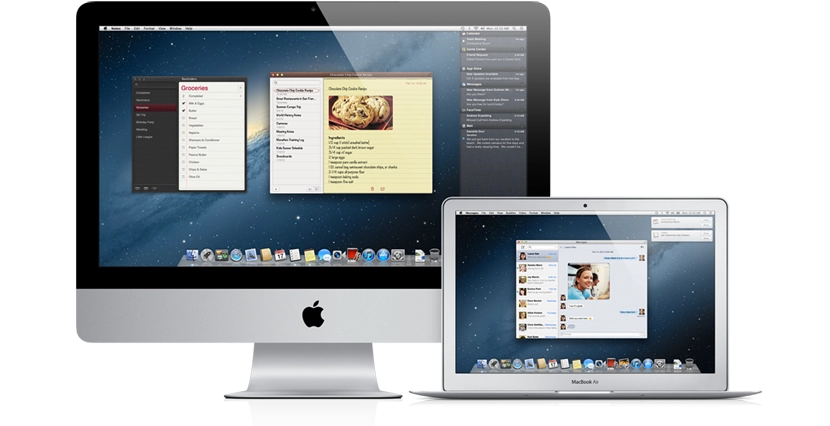
The new Mac OS X was introduced just 8 months after the release of the previous major release, OS X Lion 10.7. And it is supposed to ship already this summer, that is, only a year after the previous version. Either they have moved macOS to a faster release schedule, or some big event is being prepared and Lion was only a setup for it.
There is a lot of talk about iOS and Mac OS X merging. They have already been united into the OS X family. In 10.7 various ideas were borrowed from iOS; judging by the 10.8 preview, the borrowing continues. Apparently the merger really is happening. Essentially, applications and solutions from current iOS 5 are moving into the new Mac OS. At least that is how it looks to the average user.
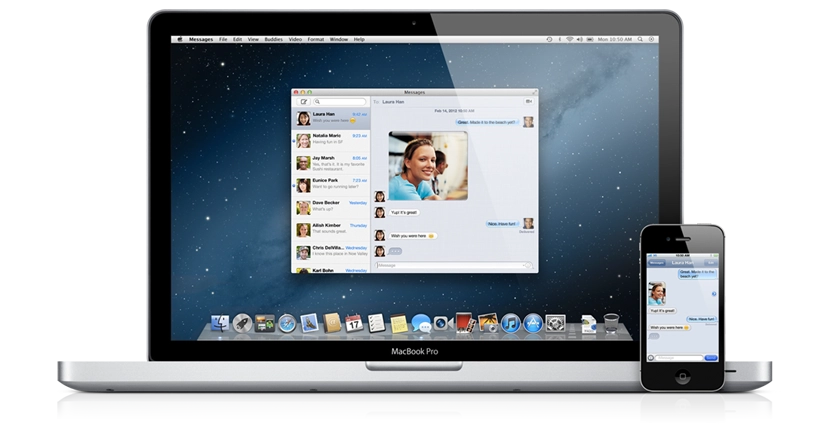
Messages is the recently introduced iMessage in iOS, a chat app for users of Apple products. To hell with SMS: just pay for data traffic. Although SMS/MMS had already existed in iOS before. Even if that seemed to be the only advantage of iMessage, it was somehow immediately clear that this app had not been made for nothing. Apple is working more and more on the ecosystem. Everything integrates with everything else, communicates, coexists. And iCloud fit into this perfectly, although personally I still have not found any other use for it besides massive synchronization, which, in my opinion, is a very useful thing. Now iMessage is moving onto Macs and lets not only iOS device owners chat, but ordinary Mac users too. Messages is supposed to replace iChat, which was a simple IM client with a small number of supported protocols. Basically a Jabber client. They also tried to integrate it into the ecosystem, with Mobile Me I think, but my feeling is that it did not catch on. I know only one person who uses iChat. And if iChat out of the box did not become very necessary for people, iMessage was practically forced onto iPhone owners by replacing their SMS/MMS app. First they got iPhone owners hooked, and there are presumably far more of them than Mac users. Now they have brought it to desktops, meaning they approached from the other side. Personally, I like that approach. On one hand it is an innovation, and on the other its essence is already familiar to you.
Messages will kill iChat and SMS messages inside Apple's ecosystem.
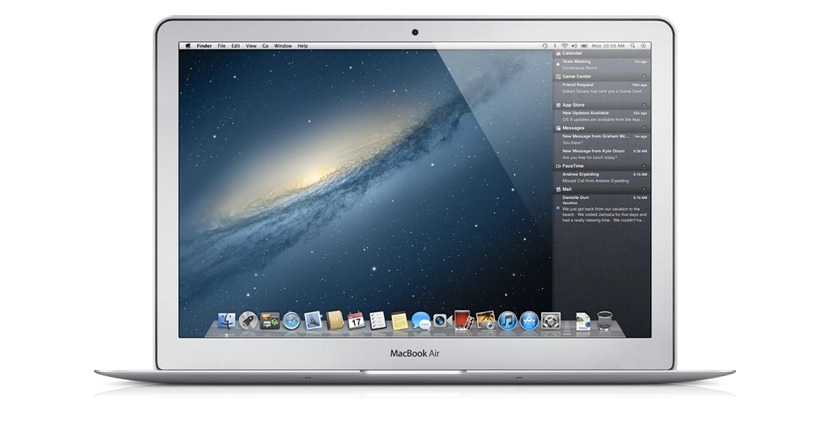
Notification Center: the idea in iOS was good, but so far, for me personally, it has not been especially useful. I rarely go there and do not see much practical value in it. Why the hell do I need stock quotes sitting there all the time? I would gladly remove them, but Apple did not give that option. Weather is of course useful, but I constantly open the app itself anyway (and third-party alternatives). Maybe out of habit. I kept expecting that over time it would become possible to embed some similar third-party widgets there, or write them myself, but so far that is not there, and whether it ever will be is unclear. I do not really see much practical value yet. Maybe it will help get rid of the damn pile of icons in the top bar near the clock that apps keep stuffing there. Even that is debatable: which is more convenient, an indicator or a list of events? But one thing, judging by the video, is certain: this puts an end to Growl. The guys who made it did a great job, of course, and the project was free for a long time, and they deserve the couple of bucks they now ask for Growl in the Mac App Store. But in principle all of Growl's functionality is already in Notification Center, judging by Apple's video. The only thing Growl can do now (I read this on Habrahabr) is act as some kind of proxy for apps that still do not support Notification Center: catch messages from them and send them to NC for display. But over time everyone will move to direct NC support anyway.
Notification Center will kill Growl.
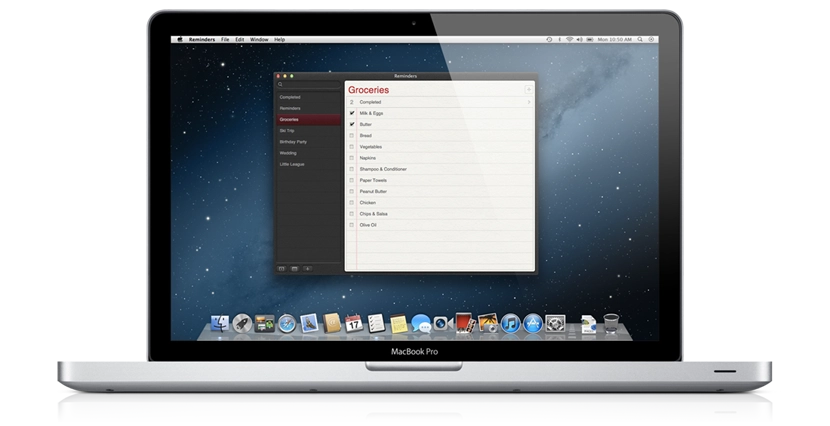
Reminders: I do not have many thoughts here. A regular TODO list; there were plenty like it before Reminders on iOS. And it is not all that different from some note-taking utility. In the iOS version, for me there was only one indisputable advantage: geolocation-based reminders. You set a reminder for some place, and when you get there, the reminder fires. True, the one time I tried it, it did not work :) . Why such a thing is needed on the desktop is not very clear. The only plus is, again, synchronization through iCloud. There is some value there, and again it is a plus for syncing data between devices. But Evernote, for example, can handle that perfectly well too.
Reminders may give Evernote a small kick. But I do not see much point in it.
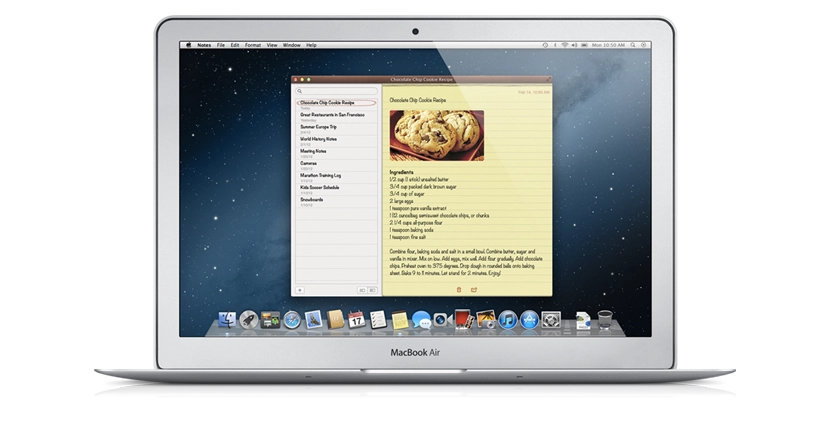
Notes: notes are a necessary and useful thing. Notes that sync between devices and computers are even more useful. That is exactly why Evernote became so popular. Evernote will be the first to suffer from this app. True, only inside the OS X ecosystem. For Windows, I think, there will not be such an app. But for those who have only Mac OS X and iOS devices, Evernote no longer seems particularly necessary. You can insert photos and video, links, into notes. And all of that out of the box. I think that is cool. And again, it is a new feature, but already a familiar one.
Notes will hit Evernote hard, but will not kill it.
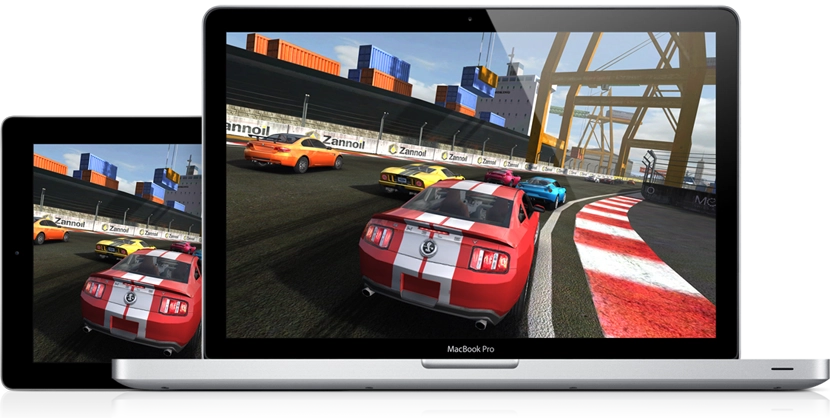
Game Center is very important in popularizing Apple's ecosystem. Among computer users there are quite a lot of people who like to play games. Not just schoolkids and youngsters, but perfectly grown adults too. Apple noticed (or maybe was intentionally moving toward this) that game developers' interest in the platform had grown. iOS showed that you can make good money on games in Apple's ecosystem, and users of Apple products buy them and play them willingly. Since the Mac App Store followed the App Store model for iOS, the same scheme may work on desktops too. In the top paid apps in the iOS App Store, most are games. At last it is no longer only Blizzard releasing serious games for Mac OS, but other strong game developers too. There is a reason several Assassin's Creed titles appeared on macOS, and Mafia II is also an indicator. Rockstar released 3 GTA titles for macOS, and I think GTA IV, which for now is only on consoles and PC, is not far off either. And GTA V may also come out for macOS. Apple introduced Game Center, which is an under-social network and really more of a scoreboard for gamers: it records who scored how many points where, how many achievements they collected, and who ranks where worldwide. Gamers like such scoreboards and willingly buy into them (I do too). So Apple is creating conditions both for players and for game developers, so that there will be more games for Mac OS.
Game Center does not seem to have anyone to kill. It is simply encouraging.
Among the other highlighted new features were Twitter integration, as in iOS, and various smaller things.
To sum up, Apple continues to improve the ecosystem and build up its power. Everything is intertwined, maybe the two operating systems will eventually merge into one, after all Jobs said when introducing the iPad that it was a device that sits between a computer and a mobile phone. Everything is lining up into one line, everything is being tied together, and at the same time the consumer desire to have everything from the lineup remains: a phone, a tablet, and a computer. Massive synchronization is not only a trend, but also a very convenient thing. And iCloud was not started for the sake of that small handful of features it had at launch. Everything is still ahead. Maybe Apple, if it implements cloud-based work everywhere, will even be able to argue with the still unfinished Chrome OS in terms of «turn it on, log in, and have access to all your data».
There is a feeling that Apple gathered the best things built within iOS and started bringing them into Mac OS. In principle they have said exactly that ever since the Lion premiere, but it feels like they did not take only their own ideas. Although all these notes and other cloud-connected things are logical, some aftertaste remains. They could have made some kind of integration with services like Evernote, for example. Of course, it is not that simple, and depending on a third-party service is not ideal, but on the other hand they did not try to write their own Twitter, yet they still integrated with it.
What still does not cease to surprise me is that all the main innovations are things already familiar from iOS. So besides improving the ecosystem, they are also pushing the user toward using new features: you have already seen all of this. Fear of the new and unknown disappears. It is easier for people to start using an old new thing. On top of that they are moving toward simplification. Why have separate notes on iOS and Mac OS? Everything is merging. In all of this I personally see a very logical and probably very long-planned development strategy. A multi-year plan. It is multifaceted and beautiful, effective and therefore so popular.
By the way, Microsoft is also moving in the same direction of unification and bringing at least the interface to something common, with Windows Phone 7 for phones and Windows 8. Windows 8 is designed not only for tablets; the developer preview was released as an operating system for PCs. Maybe they did this to make life easier for developers, so they would not have to buy tablets and could start churning out apps already now. But perhaps they foresaw this development plan from Apple and prepared in advance for similar competition.
Watching the development of competing operating systems and their ecosystems is becoming more and more interesting. In my opinion there is the least interesting development happening in the *nix world, although Ubuntu One is an attempt too. We will see what Google can offer with Chrome OS. While they are still polishing it, its uniqueness is evaporating.