A few thoughts on Nokia and the new Lumias
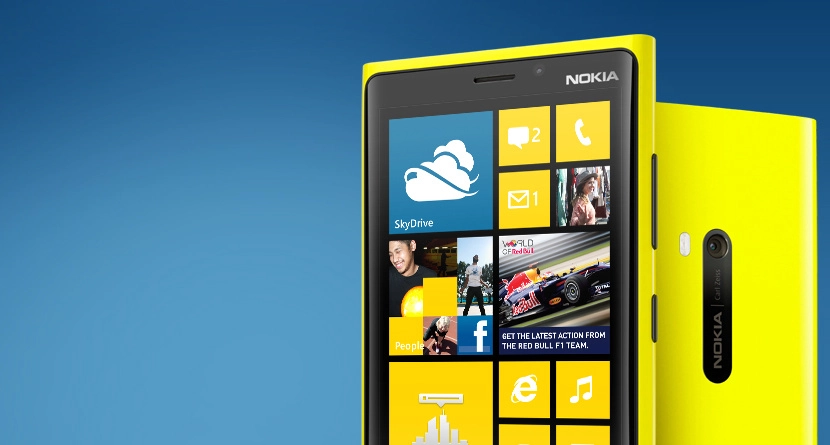
Yesterday Nokia announced two new phones running the upcoming Windows Phone 8. This is a hate post aimed at analysts, journalists and other parasites. I’ll try to keep the swearing to a minimum.
Nokia showed off the new models. Most of the new Nokia Lumia phones are good in my opinion, design-wise. Even though nothing radically new has been invented in smartphone looks over the past few years, these phones do stand out. Nokia has always been good at that.
The new models are stuffed with modern features. First, LTE with support for all the bands, supposedly. Second, a great IPS screen, which is awesome. 1280×768, 4.5 inches — all very up to date and, in my opinion, no worse than the competition.
Wireless charging, in my view, is another thing that should have been universal long ago. People say — what’s the difference between leaving your phone on the floor with a cable plugged in and leaving it on a pad next to the bed? Well, there is a difference. When you’re woken by, say, a phone call, half-asleep you won’t drag the cable along with whatever extension cord is attached to it. Besides, nothing stops you from charging the phone with a cable. Why no one has rolled this out widely yet — unclear. Maybe it can be harmful. Maybe. But it’s undeniably convenient. You walk into the flat, drop the phone on a shelf, and that’s it — it’s charging, and when you need it, you just grab it.
A solid battery that should last a long time. A powerful CPU, a gigabyte of RAM — I don’t know about Windows Phone 8, but 7 was already pretty light on resources.
A great camera — one of people’s favourite things in a phone. 9 megapixels, that special non-digital image stabilisation, supposedly a large sensor. There’s plenty for the consumer to be happy about.
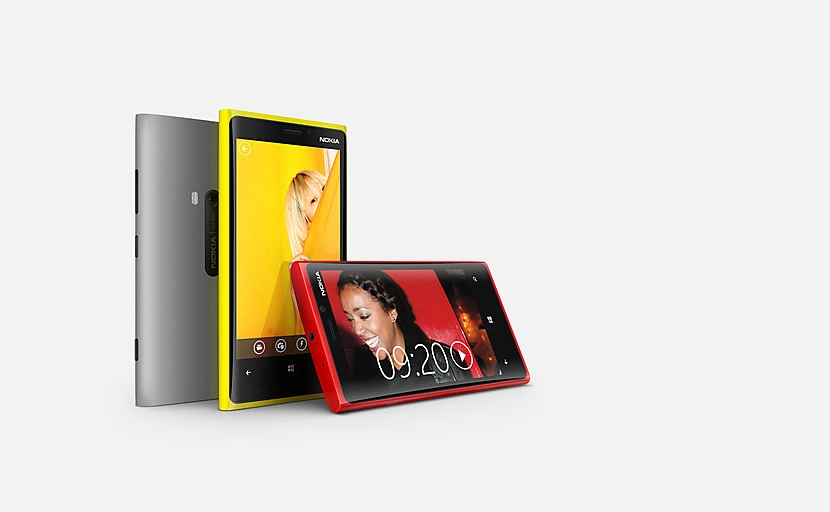
There’s a whole bunch more features you can read about on Nokia’s site, no point listing them all here.
So we end up with a couple of new models that have:
- great design;
- a big, high-quality screen;
- modern, powerful hardware including LTE support;
- a genuinely good OS;
- a good camera.
Pretty much everything you could currently want from a modern smartphone — and then some. In places, ahead of the competition. I’ve been drooling over Windows Phone for ages, and judging by what people post online, plenty of others like the OS too. Recently I even helped a friend install a bunch of useful apps on one of the older Lumias — there’s already plenty of everyday software out there.
And now to the hate part — everyone is just sick-and-tired-level burying Nokia. Yes, they got a brutal kick in the teeth when Windows Phone 7 was declared a dead-end branch and Windows Phone 8 was announced for the autumn. Naturally they had bet a lot on the WP7 Lumias, and after the WP8 announcement those phones tanked in price.
But the situation now is different. They have a great phone on an OS that will keep evolving, into which Microsoft is pouring a ton of money and which they’ll keep pushing. As far as I know, almost all WP7 software will run on WP8. Just not the other way round.
What infuriates me is how the entire internet seems to have converged on analysts, journalists and other talking-heads-of-bullshit (couldn’t avoid the swearing after all) whose expectations and predictions Nokia somehow «failed to meet».
For one thing, analysts try to predict what will happen — they don’t dictate market policy. They are essentially nobodies. Companies release new things, consumers decide whether they like them and vote with their wallets. Analysts just try to guess what those new things will be.
Reading various posts and news on different sites, you start to get the impression that analysts are a club of fantasists who completely ignore any new product they failed to predict and only trumpet that what they’d invented in their heads didn’t come true, and oh the horror, oh the shame, the company has screwed up.
My view is precisely captured by a comment on Habr by user ade:
When predictions of so-called analysts don’t pan out, for some reason people always write «the company failed to meet analysts’ expectations» — when really it should be «the analysts have screwed up yet again».
Exactly. A lot of journalists are taking the tabloid road. To me they’re just information parasites. Especially their love of writing about Nokia stock falling in percent. «Damn, Apple shares dropped 19 percent! That’s it, the end, no other company sees its shares drop 19% after a phone announcement!»
Now let’s remember 7th-or-8th-grade maths, when kids are taught what percentages are. And take a look at the stock chart on the day of the new product announcement:
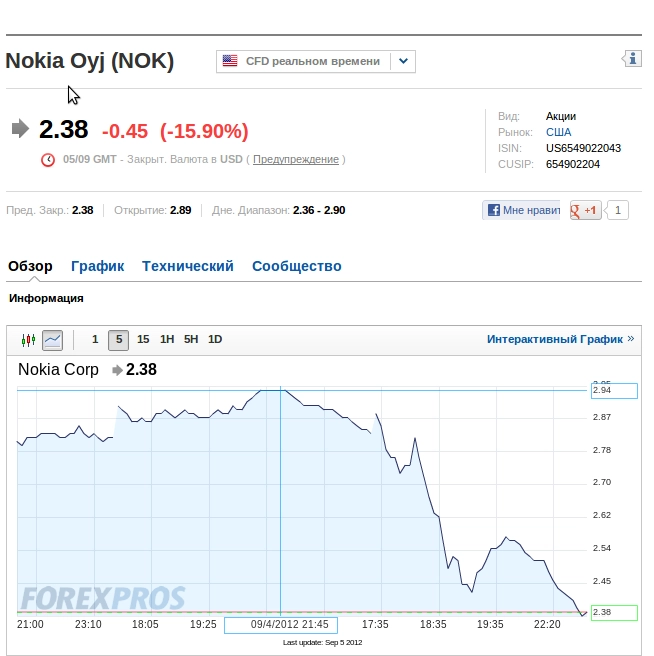
The shares moved between $2.90 and $2.38. So the drop was 45 cents. Yes, scaled to the company’s share price, that’s -15.9%. A big number. But, damn it, it’s 45 cents! Not a single analyst or journalist quoted it that way. Nobody would read it — everyone wants scandals, intrigue, investigations and sensations, otherwise there’d be no audience to sell ads to. And on top of that they keep quiet about how the shares of many phone makers fall on the day of new releases. With Apple it’s tradition — before a new iPhone/iPad release, the stock dips, and yet that doesn’t stop them being the most valuable company in the world right now.
Hacks, honestly. Blowing every little thing out of proportion, the bloody parasites.
In my opinion the new Lumias from Nokia look very attractive and tempting to buy. The fact that they run Windows Phone 8 is, for me right now, only a plus. I’m perfectly happy with my iPhone, but I really want a new Lumia. I think that, if no one drops Nokia in it again — Microsoft especially — things should start looking up for them. At least I really want them to; they know how to make a product that stands out from the competition in a good way.
P.S. There’s one journalist I really do like — Pavel Kushelev. He travels to all the big conferences and posts on Twitter from the events along with photos. Make sure to follow him: @pqorama. Pavel (and his team) work at Russian TV channel Rossiya, where he runs a show called Vesti.net. In my view it’s the only IT-related programme on TV worth watching. Sure, sometimes they overdo it, especially when they invite oracles from Kaspersky Lab to share opinions — which I consider made-up-on-the-spot fantasies 90% of the time. But overall the show is good.
I’m not an analyst, I’m not a journalist, I’m an IT guy, an ordinary user, and this is just my opinion.
Peace.